

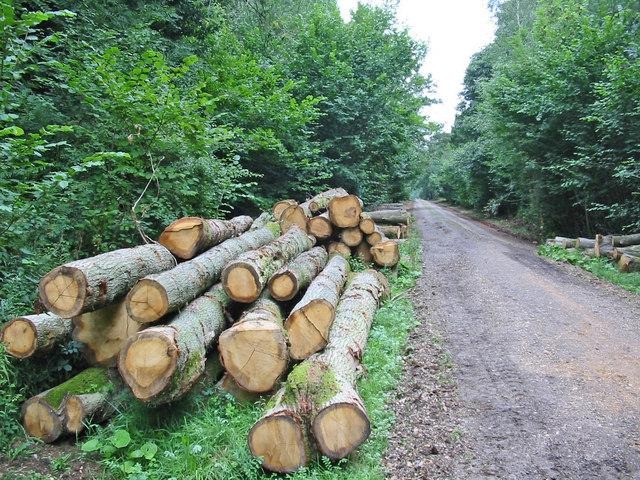
Wood has always carried a quiet authority in construction and design. Long before steel and concrete dominated skylines, timber shaped homes, barns, and entire communities. Today, despite rapid advancements in materials science, wood remains not only relevant but increasingly valued. What’s changed is how it’s used. Modern timber design now merges traditional craftsmanship with engineering precision, creating structures that are both aesthetically rich and technically advanced.
This renewed appreciation for timber isn’t just about nostalgia. It reflects a broader shift toward sustainability, durability, and authenticity in construction. As architects, builders, and homeowners seek materials that perform well while also telling a story, timber stands out as a compelling choice.
The Enduring Appeal of Timber in Modern Construction
Timber offers a rare balance of strength, flexibility, and visual warmth. Unlike synthetic materials, it evolves over time, developing character that reflects its environment. This organic quality makes it especially attractive in both residential and commercial projects where atmosphere matters as much as function.
From exposed beams to intricate joinery, wood brings a tactile dimension that other materials struggle to replicate. Even in contemporary spaces dominated by glass and steel, timber often serves as the grounding element that softens and humanizes the design.
Sustainability Driving Renewed Interest
Environmental considerations have played a major role in timber’s resurgence. Responsibly sourced wood is a renewable resource, and when managed properly, forests can continuously supply material without long-term depletion. Additionally, timber stores carbon rather than emitting it, making it an important component in reducing the overall carbon footprint of construction projects.
Research from institutions such as this engineering spotlight on advanced materials research highlights how engineered wood products are expanding the capabilities of timber far beyond traditional limitations.
Precision Meets Craft: The Evolution of Timber Work
Traditional woodworking relied heavily on manual skill, with artisans shaping each component by hand. While that expertise still exists and remains invaluable, modern tools have introduced a level of precision that enhances both efficiency and structural performance.
Computer-aided design (CAD) and CNC machining now allow for highly accurate cuts and complex geometries that would have been difficult or time-consuming to achieve manually. This doesn’t replace craftsmanship—it elevates it. Skilled builders can now focus more on design intent and assembly, rather than repetitive tasks.
Engineered Wood Products Changing the Game
Products like cross-laminated timber (CLT) and glued laminated timber (glulam) have redefined what wood can do. These materials are engineered to improve strength, stability, and resistance to environmental factors. As a result, timber is now being used in larger structures, including multi-story buildings that once required steel or concrete frameworks.
This evolution has opened new possibilities for architects who want to combine sustainability with bold, modern design. It also reinforces the idea that timber is not a compromise—it’s a forward-looking material.
Custom Timber Solutions in Architectural Design
One of the most compelling aspects of modern timber work is its adaptability. Unlike standardized materials, wood can be shaped and finished to meet highly specific design requirements. This makes it ideal for projects where uniqueness and detail are priorities.
In residential construction, custom timber elements often serve as focal points—whether it’s a handcrafted staircase, exposed trusses, or a bespoke entryway. In commercial settings, timber can create memorable spaces that stand out in a crowded marketplace.
The Role of Skilled Timber Specialists
Behind every well-executed timber project is a team that understands both the material and the vision. Companies like Tar River Timber Works exemplify this balance, combining traditional woodworking knowledge with modern fabrication techniques to produce pieces that are both structurally sound and visually striking.
What sets specialized timber providers apart is their ability to translate architectural concepts into tangible structures without losing the nuance of the original design. This requires not only technical expertise but also a deep respect for the material itself.
Balancing Aesthetics and Structural Integrity
Designing with timber involves more than selecting the right species or finish. It requires careful consideration of load-bearing capacity, moisture behavior, and long-term durability. Unlike synthetic materials, wood responds to its environment, expanding and contracting with changes in humidity and temperature.
This dynamic nature is part of what makes timber so appealing, but it also demands a thoughtful approach to engineering and installation. Proper sealing, ventilation, and structural support are essential to ensure that timber elements perform as intended over time.
Integration with Other Materials
Modern architecture rarely relies on a single material. Instead, it blends multiple elements to achieve both functional and aesthetic goals. Timber pairs exceptionally well with steel, glass, and concrete, creating contrasts that highlight the strengths of each component.
For example, a steel frame can provide structural rigidity while timber adds warmth and texture. Similarly, large glass panels can showcase wooden interiors, emphasizing craftsmanship while allowing natural light to enhance the space.
Maintenance and Longevity of Timber Structures
One common misconception about wood is that it requires excessive maintenance. While it’s true that timber benefits from proper care, modern treatments and finishes have significantly improved its resilience. Protective coatings can guard against moisture, UV exposure, and pests, extending the lifespan of timber elements.
Regular inspections and minor upkeep go a long way in preserving both the appearance and structural integrity of wood. When maintained properly, timber structures can last for generations, often becoming more visually appealing as they age.
For those interested in exploring innovative design approaches, resources like this detailed design perspective on sustainable construction practices offer additional insights into how materials like timber are being integrated into modern architecture.
The Future of Timber in Architecture
As construction methods continue to evolve, timber is poised to play an even larger role. Advances in engineering are making it possible to use wood in ways that were once considered impractical. At the same time, growing environmental awareness is pushing the industry toward materials that are both renewable and efficient.
Urban development, in particular, presents an opportunity for timber to shine. With the rise of mass timber construction, cities can incorporate sustainable materials without sacrificing scale or performance. This shift not only benefits the environment but also introduces a new aesthetic language that blends natural and urban elements.
Conclusion
Timber’s resurgence is not a trend—it’s a reflection of changing priorities in design and construction. By combining traditional craftsmanship with modern technology, today’s timber solutions offer a compelling mix of beauty, performance, and sustainability. Whether used in a custom residential feature or a large-scale architectural project, wood continues to prove its value as a material that adapts, endures, and inspires.
As the industry moves forward, the integration of timber will likely become even more sophisticated, reinforcing its place as a cornerstone of thoughtful, forward-looking design.
