

Prajurittoto is more than a name you see in chat groups, it’s a small ecosystem that mixes content, prediction tools, social channels, and monetization. In this article I’ll explain how Prajurittoto likely operates behind the scenes, what users actually interact with, and practical signals to watch for if you’re researching the brand. I’ll keep it clear and human, no tech-speak overload.
How content and predictions are produced
Prajurittoto publishes daily number predictions and paito (number charts) that look detailed and data-driven. Some pages tied to the brand claim to use large result databases and pattern-detection methods, even mentioning system-aided analysis to spot repeating trends. That suggests the team (or their writers) combine historical result tables with automated tools to create “predictions.”
In plain terms: expect a mix of human-written posts, automated charts, and sometimes AI/statistical summaries. Those outputs are packaged as short prediction posts or image charts for easy sharing.
How the platform distributes content
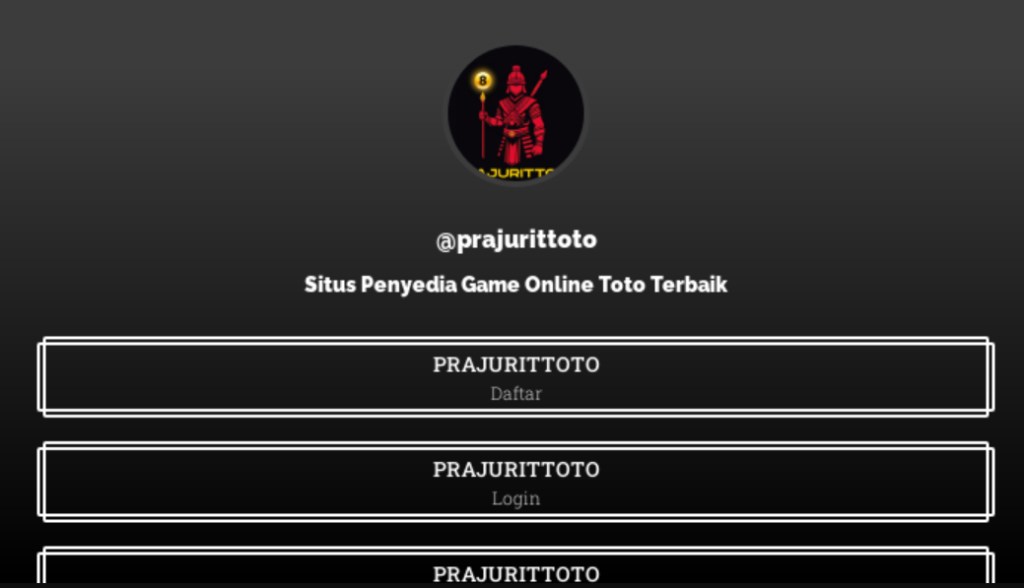
Prajurittoto pushes content across several channels, a Linktree hub, Telegram account, and a YouTube presence for short clips and brand audio. These channels serve two jobs: (1) keep followers updated about new posts, and (2) deliver the “latest link” or mirror when domains change. That social-first distribution is common for sites that face blocking or frequent domain moves.
Monetization: where the money flows
Based on observable patterns, Prajurittoto likely earns from several sources:
- Affiliate/referral links that send users to betting platforms or partner pages.
- Paid “VIP” groups or premium prediction packages promoted through Telegram or posts.
- On-site ads and sponsored content on prediction pages.
These methods let an operator monetize traffic without running the actual betting engine themselves. Watch for shortened links or redirects, they often hide affiliate tracking.
User journey: what visitors typically see
A common user flow looks like this: find a prediction post → click a “latest link” or mirror → land on a content or login page → see calls to join VIPs or follow a Telegram channel. Many pages keep the interface simple: charts, a short text prediction, and visible calls-to-action to follow for more. Several community pages and repost sites mirror those pages to reach wider audiences.
Moderation, trust, and transparency signals
Important signals for trust (or the lack of it):
- Clear contact and company registration is a positive sign; absence is a red flag.
- Frequent domain or IP churn often means attempts to avoid blocks, check the hosting IPs and change history. Public IP listings show related domain names that move across hosts, which is a sign of instability.
- Independent, credible coverage (news or regulator mention) helps validate claims.
If you’re auditing the brand, keep a log of domain names, social handles, and screenshots, that helps if you need to report abuse or misinformation.
What community and UX look like
Prajurittoto-style communities use urgency and repetition: daily posts create habit, and Telegram groups add a feeling of insider access. The UX is built for quick scanning: big numbers, short analysis lines, and “copy/forward” friendly images. That design aims for fast spread, not deep verification.
Tips for researchers (not users)
- Archive pages and capture timestamps to track domain changes.
- Inspect outgoing links for affiliate tags or payment processors.
- Use the brand’s social hub (Linktree / Telegram) to map related handles and mirror sites.
Final thought
Prajurittoto is a content-first operation: it creates prediction outputs, pushes them through social channels, and monetizes attention. For anyone researching the platform, the most useful approach is methodical: map domains and handles, capture evidence, and verify claims through independent sources. That gives you a clear picture of how the platform really works, beyond the shiny prediction charts.
