

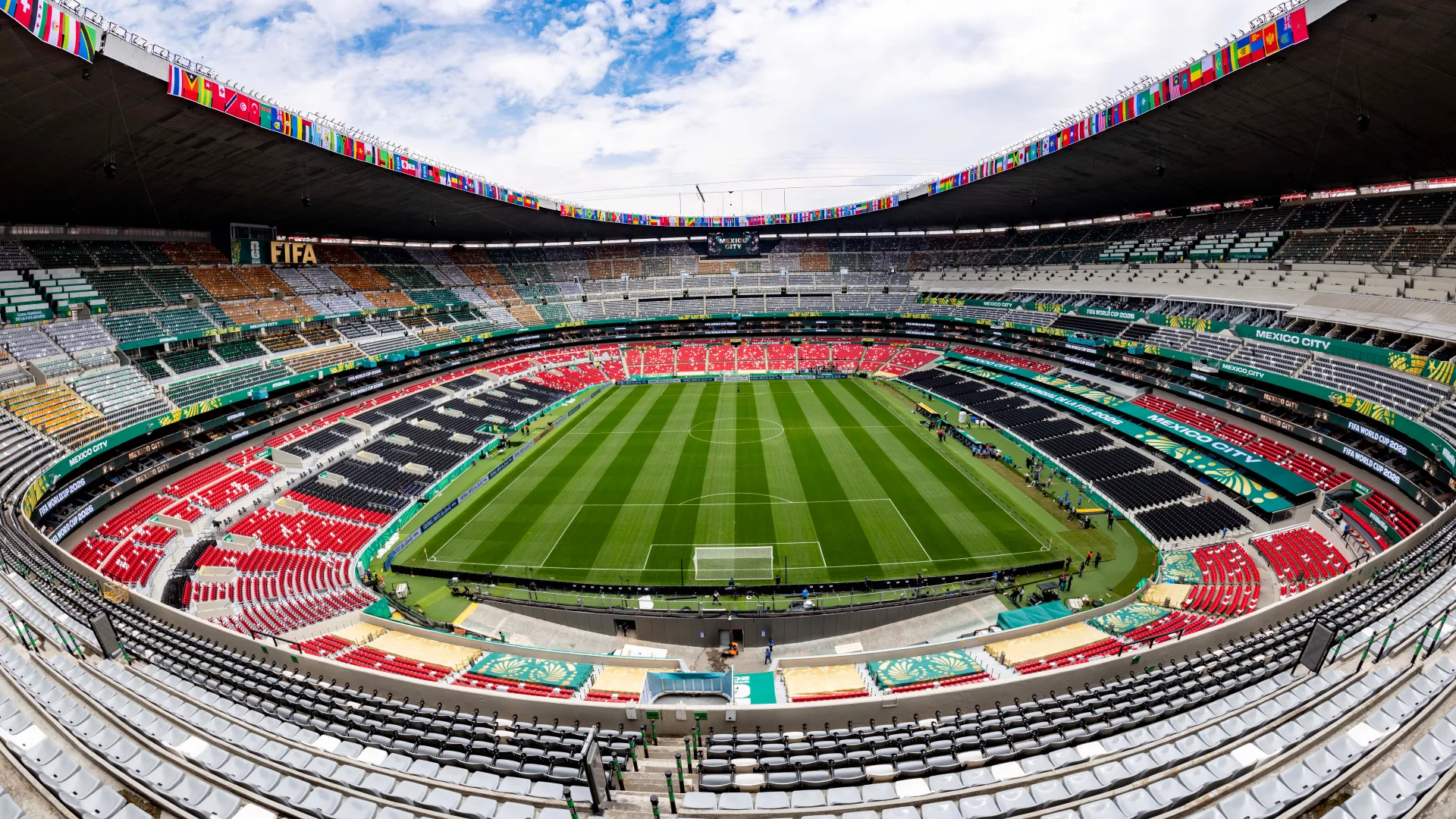
When Mexico walk out to face South Africa on 11 June 2026, Estadio Azteca in Mexico City will become the first stadium in history to open three men’s World Cups, having already been the stage for matches in 1970 and 1986. It has hosted two World Cup finals, more World Cup games than any other venue and now adds the 2026 opener to a résumé that already includes Pelé, Maradona and some of the game’s most iconic goals. For viewers who care about tactics and match flow, that history sits on top of something more practical: Azteca’s altitude, design and crowd make it one of the most distinctive places to watch football unfold in real time.
How Azteca’s World Cup History Shapes What You See
Estadio Azteca is unique in World Cup terms. It hosted matches at Mexico 1970 and Mexico 1986, including both finals, and by 2026 will have staged three opening games and a record number of World Cup fixtures overall. Those tournaments produced some of the sport’s most dissected moments—Pelé’s Brazil in 1970, Maradona’s “Goal of the Century” and “Hand of God” in 1986—which fixed Azteca in the global football memory as a natural theatre for high‑stakes, high‑skill games.
For a modern viewer, that heritage matters because it influences how coaches and players experience the place as they walk out. The stadium’s weight of history tends to push matches toward boldness rather than caution—teams know that what happens there will be replayed for decades, so they are less likely to treat the game as just another group fixture. When you watch live, you can often feel that in the willingness of players to shoot from distance, take on defenders one‑on‑one, or commit to attacking full‑backs even in tight contests.
Altitude And Why Azteca Matches Feel Different Physically
Azteca sits at around 2,200 metres (over 7,200 feet) above sea level, making it one of the highest major venues in the tournament. At that elevation, the air is thinner, meaning less oxygen for players and less air resistance for the เว็บดูบอลโลก 2026 กับ Goaldaddy.; both factors subtly reshape what you see over 90 minutes. Studies and local reports emphasise that teams unused to these conditions fatigue more quickly, especially if they try to sustain constant high pressing or repeated long sprints.
On screen, this often shows up as matches with intense but shorter pressing waves and more pronounced momentum swings. A side may start aggressively for 20–25 minutes and then noticeably drop their line or slow their tempo while they recover. For viewers, it is worth tying those shifts to the environment rather than assuming the coach has suddenly become conservative; Azteca’s altitude is part of the tactical calculus from the first whistle, influencing substitutions, pressing triggers and how much risk teams are willing to take in transitions.
Crowd, Acoustics And The Pressure On Visiting Teams
Beyond the elevation, Azteca’s bowl design and capacity—traditionally around 80,000 and tailored for major events—create an intense acoustic environment. Mexico’s national‑team culture and the significance of opening a third World Cup at home promise a wall of sound, with national anthems, chants and rhythmic noise that rarely dips, especially whenever the hosts surge forward.
For visiting teams and referees, that atmosphere can subtly affect decision‑making and emotional control. Analysts and former players often describe how crowd pressure at Azteca can coax more direct play from nervous visitors, or encourage Mexico to maintain aggressive, front‑foot defending longer than they might elsewhere. Watching live, you can use the sound as a clue: spikes in noise often line up with successful presses, counters or set‑pieces, and tracking those spikes alongside the tactical camera view helps you see when the match is tilting rather than simply trading half‑chances.
What To Look For When You ดูบอลสด From Azteca
When you ดูบอลสด matches from Estadio Azteca, the key is to interpret what you see through the lens of altitude, atmosphere and history rather than treating it like any other neutral venue. Early in games, pay attention to how quickly the ball travels over medium‑length passes and shots—thin air can slightly increase ball speed and flight, which affects through‑balls, crosses and long‑range efforts. Over time, note whether pressing lines retreat five or ten yards compared with the first phase; that often signals that a team is managing energy rather than losing tactical conviction.
Because Azteca will host multiple World Cup games—including Mexico’s opener and other group fixtures—you can build a mental library as the tournament progresses. After a few matches, you will have a feel for typical shot volumes, how many high‑intensity sprints players can sustain and how often late goals come from tired errors versus deliberate tactical pushes. Then, when a heavyweight or knockout tie lands in Mexico City, you can distinguish genuine tactical dominance from opponents simply coping badly with the environment.
Azteca Across Three World Cups: A Quick Comparative Lens
For some context on why this stadium is treated almost like a character in the World Cup story, it helps to set its three editions side by side. FIFA and media retrospectives highlight particular themes for each era.
| Edition | Azteca’s role and tactical flavour |
| 1970 | Hosted opener and final; remembered for Brazil’s flowing positional play and high technical level in thin air. |
| 1986 | Again staged opener and final; iconic for Maradona’s individual brilliance and more open, transitional football. |
| 2026 | Hosts opener (Mexico vs South Africa) and group matches; part of a 48‑team, three‑nation tournament with modern pressing and data‑driven preparation in altitude conditions. |
What links all three eras is that Azteca magnifies stories: great teams look more majestic, and struggling ones look more visibly drained. As a viewer, knowing that helps you calibrate your expectations when you see a favourite labour or an underdog sustain pressure longer than expected.
How Altitude And Preparation Might Show Up In 2026 Matches
Modern sports science does not erase Azteca’s impact; it refines how teams plan for it. Pre‑tournament coverage notes that some squads have scheduled altitude camps or base‑camp stays in Mexico to acclimatise, while others may treat Mexico City fixtures as high‑risk, high‑reward opportunities to rotate or tweak their usual pressing schemes.
In tactical terms, two patterns are worth watching for. First, teams might compress distances between lines more than usual, reducing the need for long recovery sprints while still blocking central progression. Second, you may see more controlled possession from sides trying to let the ball do the running, avoiding end‑to‑end chaos that would drain legs. When a team ignores those realities—pressing recklessly for an hour or going long too often—you can almost predict the late‑game fade before it happens.
Estadio Azteca’s Role Inside A Three-Country World Cup
In the 2026 context, Azteca is also one piece of a wider tactical map. While many matches will be played at sea‑level or in moderate climates in the USA and Canada, Mexico City sits at the physically extreme end of the spectrum. A team that proves it can execute its structure at Azteca and then reproduce it in Vancouver, Dallas or New York is showing a level of adaptability and robustness that tells you a lot about their true ceiling.
For viewers following one team through the tournament, Azteca becomes a reference test. If they look short of breath, lose distances between their lines or rely heavily on low‑xG long shots in Mexico City, you can treat that as partly contextual. If they handle the setting calmly—rotating intelligently, managing tempo, preserving pressing quality into the final minutes—that resilience will be useful information when you later watch them in more forgiving conditions.
Summary
Estadio Azteca is more than a famous name on the fixture list; it is a stadium whose history, altitude and atmosphere actively shape the matches you watch. By opening a third World Cup and adding to a legacy that already includes Pelé and Maradona, it sets a high emotional bar, while its 2,200‑metre elevation and intense crowd create a distinctive physical and tactical environment for modern teams. When you watch World Cup 2026 games from Mexico City, reading what happens through that lens will give you a clearer sense of which performances are truly dominant, which are context‑driven struggles, and how this legendary ground keeps influencing football’s biggest stories across eras.
