

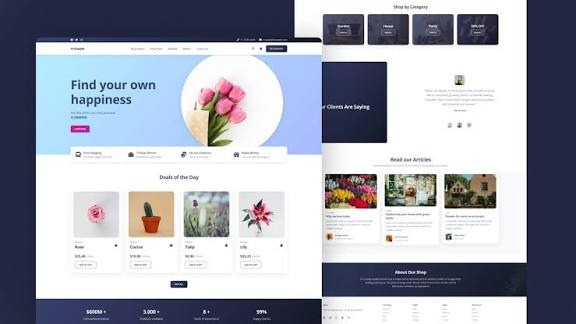
Dubai is a city built on speed, ambition, and high standards. Business moves incredibly fast here, and the people making the buying decisions—whether they are wealthy investors, busy executives, or everyday consumers—value their time above everything else. When a business owner realizes they need a new digital presence, they usually look for a website designer Dubai to create something that looks beautiful. But beauty alone does not win customers in this market. Trust does. And on the internet, you have exactly seven seconds to earn that trust before the user clicks the back button and goes to your competitor.
Psychologists and digital marketers call this the “7-Second Rule.” When a person lands on your website, their brain makes a subconscious judgment about your company almost instantly. They do not read your paragraphs; they scan your layout. They do not analyze your pricing; they feel your brand’s energy. If your website feels cheap, confusing, or slow in those first few seconds, their brain immediately labels your business as untrustworthy.
If you want to survive and thrive in Dubai’s competitive, high-income market, your entire website design strategy must revolve around passing this seven-second test. In this blog, we will explore the visual authority cues, the psychology of speed, and the premium design strategies you must use to capture attention and build instant trust with Dubai’s fast-moving decision-makers.
The Psychology of the First Impression
In the physical world, trust is built over time. You meet someone, shake their hand, look at their office, and slowly decide if they are reliable. In the digital world, this process happens in the blink of an eye. The human brain is wired to look for danger and safety. When a user opens a new website, their brain is scanning for “digital danger” signals: broken images, weird colors, cluttered text, or confusing menus.
If they see these danger signals, they feel stressed, and they leave. If they see “digital safety” signals—clean layouts, high-quality images, and clear answers—they relax and stay. Your website design strategy must prioritize these safety signals from the very first pixel.
1. Visual Authority Cues
Visual authority is the unspoken proof that you are excellent at what you do. Before a user reads a single word about your services, they judge your competence based on the visual quality of your site. If you claim to sell premium luxury real estate but your website uses blurry photos and cheap fonts, the user will instantly spot the lie.
High-Fidelity Authentic Photography:
The fastest way to destroy trust in seven seconds is by using generic, obvious stock photos of fake businessmen shaking hands; you must invest in real, high-resolution photography of your actual Dubai team, your actual office, or your genuine products to prove you exist in the real world.
Immediate Brand Positioning in the Hero Section:
The very top section of your website (the hero section) must instantly communicate your status in the market through a powerful, single-sentence headline, completely avoiding vague slogans so the user knows exactly what you do the second the page loads.
Strategic Use of Empty Space:
Amateurs try to fill every single inch of the screen with text, buttons, and flashing banners, but true premium brands use massive amounts of clean, empty space (white space) to let the user’s eyes rest, which psychologically signals confidence and wealth.
Consistent, High-End Typography:
Reading a website should feel effortless, meaning you must choose highly legible, professional font families that remain exactly the same across every single page, avoiding playful or messy fonts that make your corporate business look like a school project.
2. The Psychology of Speed
In Dubai, speed is a luxury that people expect. You can have the most beautiful, authoritative website in the world, but if the user has to wait more than three seconds for it to load, they will leave before they even see it. The seven-second trust rule starts counting the moment they click the link, not the moment the page finishes loading.
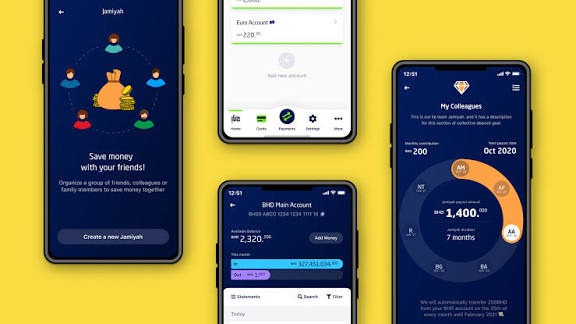
Optimizing the “First Contentful Paint”:
This is a technical design term that means the very first piece of visual information must appear on the screen instantly, giving the user immediate visual feedback that the website is working, even if heavier images are still loading quietly in the background.
Removing Heavy Pre-Loaders:
Many designers put a spinning logo or a loading animation on the screen before the website appears, thinking it looks cool, but busy Dubai executives hate waiting; your design must strip away these annoying barriers and deliver the actual content immediately.
Compressing Visual Assets Without Losing Quality:
Large, uncompressed video backgrounds and massive image files are the number one cause of a slow website, so your design strategy must include strict compression rules, ensuring media files are tiny in data size but still look crystal clear on a high-definition iPhone or MacBook screen.
Prioritizing Mobile Speed Above All Else:
Over seventy percent of your website visitors in Dubai are likely searching on their smartphones while sitting in a cafe or riding the Metro, so your design must physically load faster on a 4G or 5G mobile connection than it does on a desktop computer.
3. Premium Design Psychology for the Affluent Market
Dubai has a massive population of high-net-worth individuals, investors, and affluent expats. When you are selling to this demographic, traditional aggressive sales tactics do not work. They are immune to big red “Sale” banners and flashing “Buy Now” buttons. They respond to subtlety, exclusivity, and prestige.
Subdued, Elegant Color Palettes:
High-ticket buyers associate bright, chaotic colors with cheap, discount stores; to capture the affluent Dubai market, your design must rely on rich, deep, and conservative color palettes like charcoal, navy, emerald, or soft gold to communicate a feeling of established wealth.
The “Show, Don’t Tell” Approach:
Instead of writing a thousand words claiming your service is the best in the UAE, your website should use high-quality video snippets or interactive sliders that visually demonstrate the superior quality of your work, letting the user discover your value naturally rather than forcing it on them.
Micro-Interactions that Feel Expensive:
A premium website feels physically different when you use it; small, subtle animations—like a button that smoothly changes color when you hover over it, or an image that gently floats into place—make the digital experience feel expensive and carefully crafted.
Eliminating the Hard Sell: Wealthy clients do not want to feel pressured, so your website should never use annoying pop-ups that block the screen begging for their email address; instead, offer them a quiet, elegant invitation to request a private consultation at their own convenience.
4. Conversion-Focused Layout Strategies
Earning trust in seven seconds is only the first half of the battle. Once you have their attention, you have to guide them toward taking action. A common mistake is designing a beautiful website that leaves the user completely confused about what to do next. Your layout must be highly strategic, leading the user’s eyes exactly where you want them to go.
The “F-Pattern” Reading Strategy:
Eye-tracking studies show that people read websites in the shape of the letter “F,” scanning across the top, down the left side, and across the middle, so your most important information and primary buttons must be placed exactly along this natural visual path.
The Rule of One Primary Action:
Every single page on your website should have one, and only one, primary goal; if you give the user six different options—like asking them to read a blog, follow your Instagram, sign up for a newsletter, and buy a product all at once—they will experience decision paralysis and do absolutely nothing.
Sticky Navigation for Instant Control:
As the user scrolls deep down into your long service pages, they should not have to scroll all the way back up to contact you; a “sticky” menu bar that stays quietly at the top of the screen at all times gives them the power to reach out the exact second they are convinced to buy.
Contrasting Call-to-Action (CTA) Buttons:
Your contact or purchase buttons must physically stand out from the rest of the page design, using a bold, contrasting color that naturally draws the eye, ensuring the user never has to search the screen to figure out how to give you their business.
Conclusion: Stop Designing for Yourself
The biggest mistake business owners make is designing a website that they personally like, rather than designing a website that passes the 7-Second Trust Rule for their customers. You might love bright neon colors, complex animations, and long, poetic paragraphs about your company history. But if the busy, high-income Dubai consumer finds it slow, confusing, or visually cheap, you will lose their business.
When you sit down to plan your digital presence, you must put yourself in the shoes of a rushing, impatient buyer. You must demand a design that loads instantly, communicates your authority clearly without words, feels premium to the touch, and guides the eye effortlessly toward a single action. By shifting your strategy to focus purely on instant trust and visual psychology, you will stop losing visitors in the first seven seconds and start converting them into lifelong clients.
