
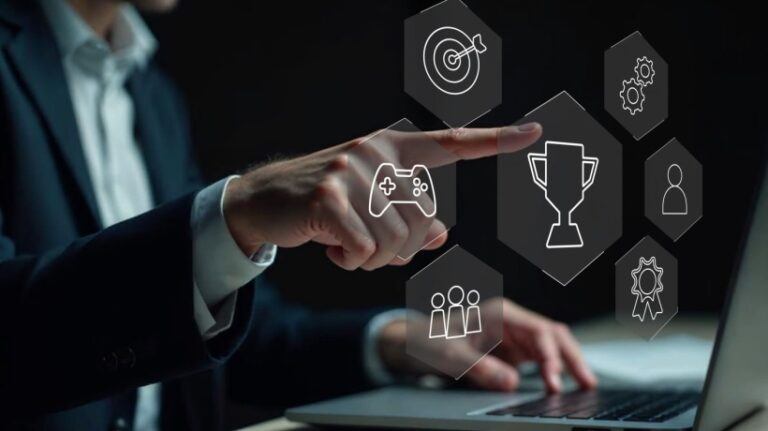
Playing games requires critical thinking, problem-solving, strategic planning, resiliency, and teamwork. Online games can help you improve your memory, attention, and spatial awareness. They can also teach you patience, sportsmanship, and how to deal with stress and frustration. Online games are available through the web, apps, or platforms like Casino Days. You can explore slots, live games, table games, puzzles, and simulation games, and explore what interests you. Gaming is a popular choice for collaboration and competition, encouraging players to compete in a friendly and interactive way.
Strategy and Probability Thinking
Players play Monopoly Big Baller online, as it offers unique bonus rounds and a colourful wheel. Similar games allow you to use strategies and win rewards that enhance the excitement. However, most games require strategy and probability thinking, as they stimulate your brain and require probability thinking.
How to Get Better at Strategy Games
Strategies are important elements in games, helping you enhance the excitement while improving or gaining new skills. Playing strategy games will help you improve your decision-making skills, as most of them require you to make choices or decide how much to bet. Strategy-based online games also improve critical thinking, memory, recognition, and concentration. However, they also support some real-world elements, like business planning, financial decisions, management, and more. Getting better at strategy games is a long process that requires you to start with games designed for beginners. Once you get used to those, you can start increasing the difficulty level.
Probability Thinking
Games like Monopoly Big Baller require probability thinking. You need to carefully think about where to place a bet and what the odds are of winning. The success of winning will be the result of careful probability thinking. In card games like poker, probability is even more important, while sports teams and coaches also rely on it. The same skills can be applied to real-life decisions. For instance, whether it’ll rain or not, should a company create a new product, should you invest money, and more instances where you can apply probability thinking.
Games like Monopoly Big Baller
Monopoly Big Baller is an enhanced version of the classic Monopoly game, with a colourful feel and unique bonus rounds. It’s a perfect example of a game where you’ll need probability thinking, decision-making, and other skills. The game starts with 20 random balls being drawn, and if the number on the balls matches the one on your card, that number is marked. You can also enjoy the bonus round where Mr Monopoly starts to walk, and when he stops, you’ll receive the value of the multiplier attached to the spot. Based on the result, you’ll either pay a fee or receive a reward.
Skill Development
Strategy-based online games can improve cognitive skills. They can improve or develop skills like decision-making, problem-solving, time management, attention, and memory. Games require using a strategy and cognitive skills, helping you enjoy gaming while strengthening your brain.
Decision-Making Skills
Decision-making skills are commonly needed during online gaming. The study “Probabilistic Thinking for Life: The Decision-Making Ability of Professionals in Uncertain Situations” highlights the importance of decision-making ability. For gaming, decision-making skills help you evaluate risks vs. rewards. Since you’re constantly facing a potential loss, decision-making skills will help you evaluate whether you should continue or not.
Time Management
Time management is also an important aspect of online gaming, helping you stay in control. Spending too much time isn’t healthy, and if you spend a lot of time playing games, your responsibilities won’t be managed properly. As a result, successful time management could not only help you complete daily tasks but also help you enjoy the gaming experience more.
Problem-Solving Skills
Playing games that require problem-solving skills can help you improve those skills and apply them in real life. Games use complex and challenging gameplay mechanics, often requiring solving problems. For example, games like puzzles can be quite challenging and demanding, often requiring local reasoning, problem-solving, and analytical abilities.
Strengthening Attention
You’ll pay more attention when playing challenging games that require you to think. Games like puzzles, word games, or any educationally based games stimulate your brain and require your full attention. With time, playing games can strengthen your attention, allowing you to notice even the smallest details.
Improving Memory
Your memory can also improve by playing games. Challenging and complex games can help you remember things. Games where you’re required to spot anomalies and differences can improve your memory, helping you remember the differences between two similar pictures.
Social Interaction Through Gaming
Besides developing skills, gaming can be an interactive experience. Many platforms and game apps use live chat features or in-game chats that you can use to communicate with your friends. Social interaction will also help you collaborate and compete, fostering teamwork and friendly rivalry. Younger players may also be encouraged to develop creativity, storytelling abilities, and memory skills. Adults may enjoy mental stimulation, stress relief, reduced frustration, and the opportunity to meet new people or communicate with friends.
Conclusion
Aside from being entertaining, online games can serve as educational tools. They can help in strengthening memory and attention, while also encouraging improvement of cognitive skills. You’ll be able to improve decision-making, problem-solving, critical thinking, and other skills by simply playing games. Games like Monopoly Big Baller can be quite challenging, often creating a balance between strategy and probability thinking. Overall, online gaming can help you improve old skills and learn new ones, while also helping you reduce stress.
